9221 Harrison Ave, Cleves, OH
Based in Cincinnati, serving Ohio, Indiana, Kentucky, West Virginia and Illinois
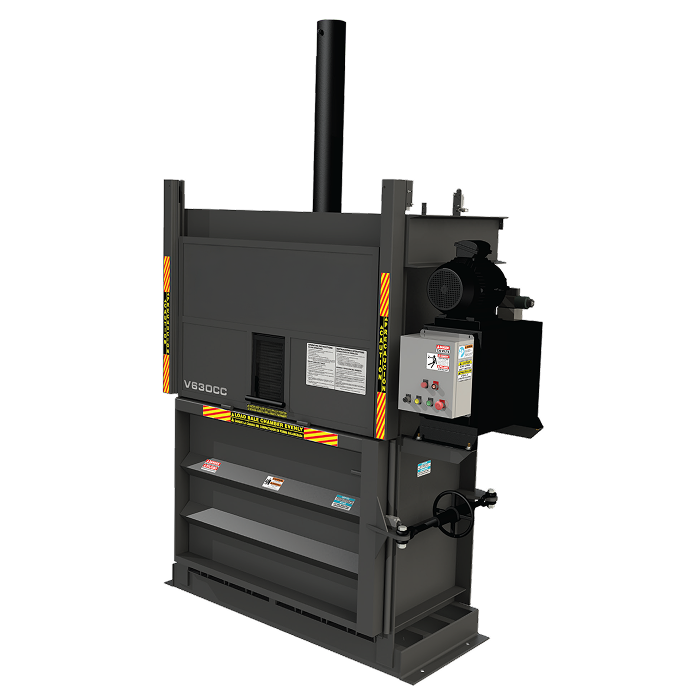
Empty boxes pile up with every delivery, and loose cardboard fills a container long before it gets heavy. A cardboard baler presses broken-down boxes into dense bales that you store until they are picked up. You pay for fewer cardboard pickups, and once there are enough bales, they can be sold.
Stores, warehouses and distribution centers generally use a vertical baler. Large factories with conveyor-fed lines use a horizontal baler. We match the machine to your weekly cardboard and the floor space available. When your cardboard would not cover the cost of a baler, we set up a cardboard recycling container.
We sell balers if you want to own one. We can also place a baler with your service, on the same bill as your waste and recycling.
Two types cover commercial cardboard. Which one fits comes down to how much cardboard you go through and the room you have.
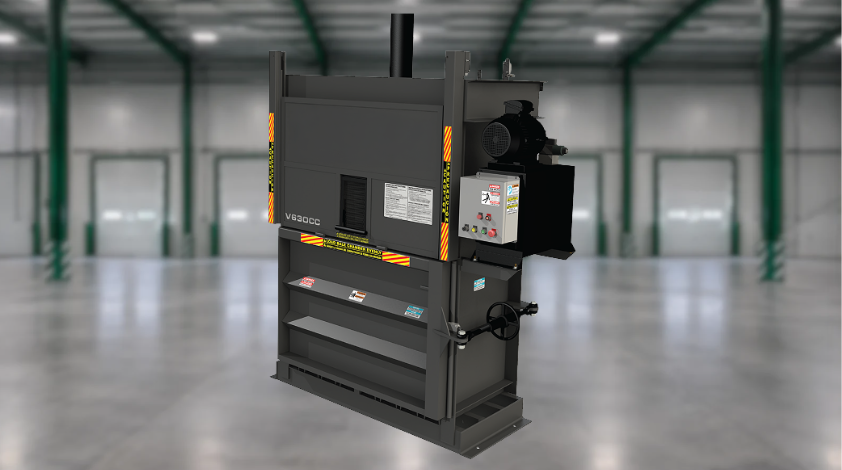
Best for: Almost every commercial site. Retail, warehouses, distribution and back of house.
Takes: Cardboard, shrink wrap, plastic film and aluminum cans.
This is the one many businesses end up with, and it comes in several sizes. Tell us your cardboard volume and the space you have and we will pick one.
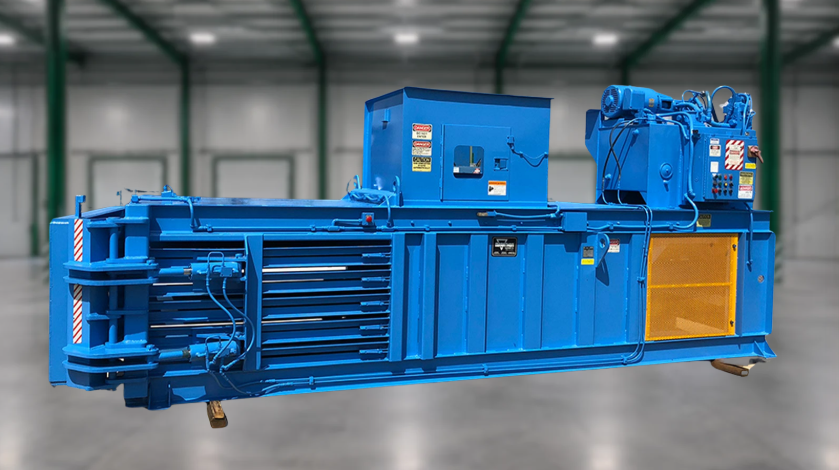
Best for: Major factories and plants running cardboard through the whole shift.
Takes: Cardboard, paper, plastic and aluminum, usually fed by a conveyor. Up to 25 tons an hour, depending on the material and model.
A horizontal baler is built for continuous volume and takes considerably more floor space. Few commercial sites need one.
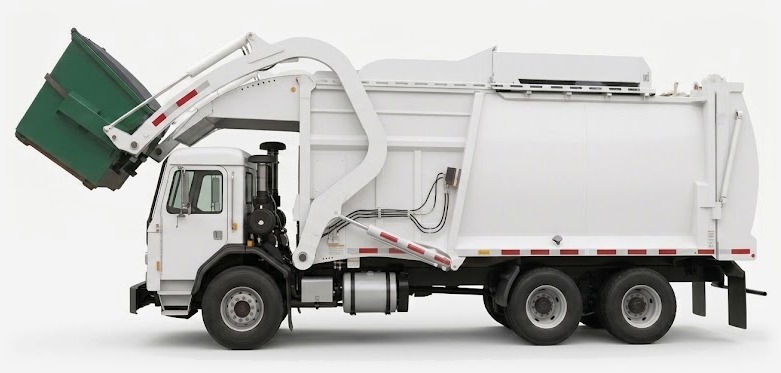
It comes down to three things: how much cardboard you go through, what it costs you now, and the space you have.
There is a volume below which a baler does not pay for itself. Below that line a separate cardboard container is the better answer. Tell us how much cardboard you go through and we will tell you which side you are on. Sometimes the answer is that you do not need a baler at all.
A cardboard baler compresses loose cardboard into dense bales, so the same cardboard takes a fraction of the container space and gets collected far less often.
A vertical baler is loaded by hand and suits almost every commercial site. A horizontal baler is usually fed by a conveyor and suits factories with nonstop volume.
If you are not sure which fits, tell us how much cardboard you go through and the room you have.
Above a certain volume, baled cardboard becomes something you can sell rather than something you pay to remove. Below that volume the saving comes from fewer pickups instead.
Both. We sell balers outright if you would rather own the machine, and we can arrange one as part of a managed waste and recycling account so it sits on a single bill. Which costs less depends on how long you will be in the building and how much cardboard you produce.
Tell us how much cardboard you go through and what space you have. We will tell you whether a baler pays for itself.